
Nice to meet you.
I’m Katie. I've been working as a content designer and strategist for 15+ years with a speciality in cognitive science. Over the last several years my work has shifted toward AI with the lines between content and product design blurring to become inseparable.
Now I use my background in psychology and content strategy to design AI products that create generative, human-centered experiences.
I believe AI is most valuable when it's usable — and I build toward that every day.
Approach
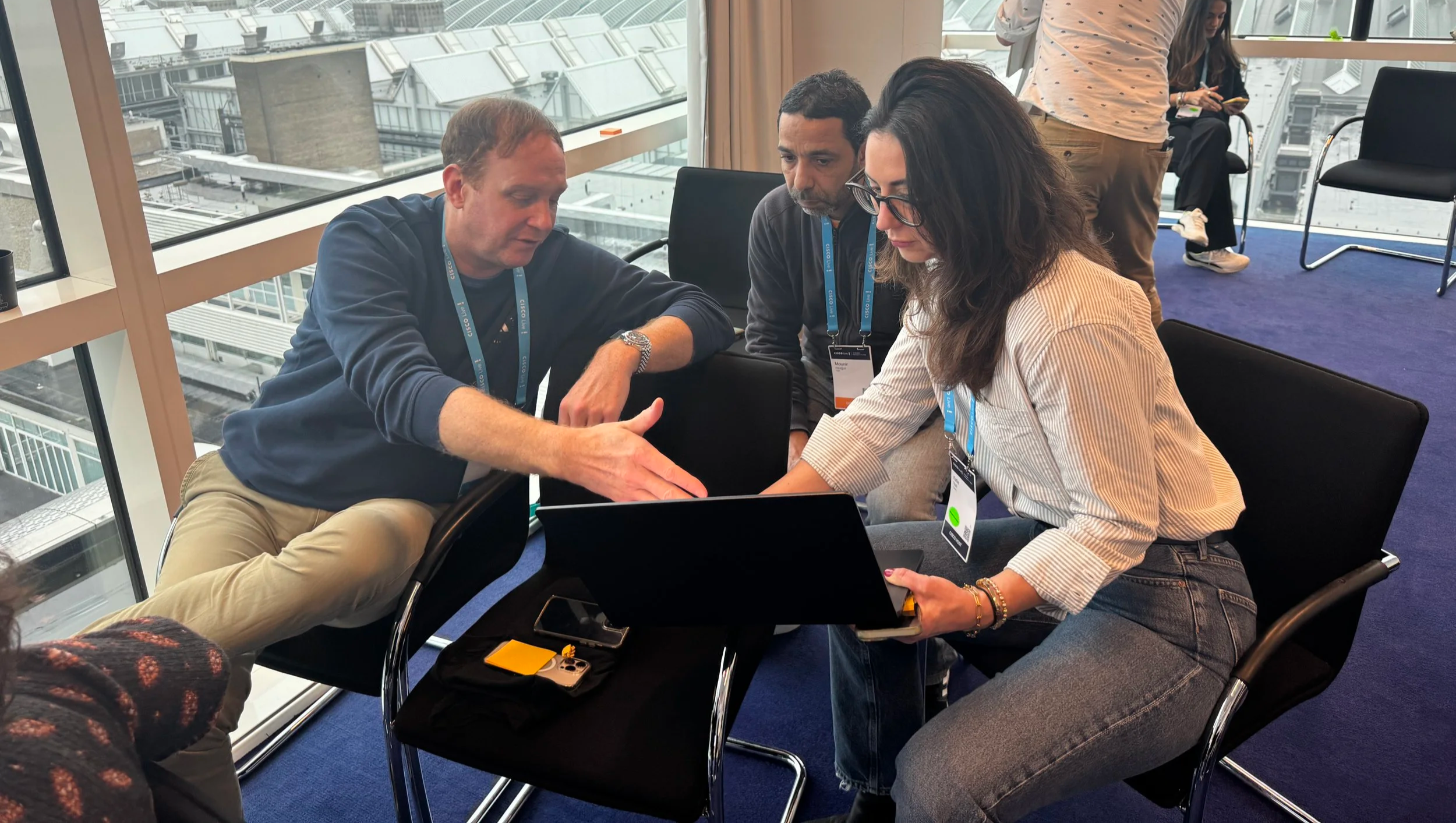
The greatest, most accurate tools aren’t valuable if customers can’t use them. Whether creating agentic experiences that they touch once or designing generative experiences they use every day — the customer experience still matters.
Start with the user (and the business)
UX research is the window into your customer needs and your product gaps. Use research to create outstanding experiences for your customer and inform your AI.
What’s the data say?
How do you know design is making an impact? You look at the data. Are views going up or down? Are customers getting stuck or moving forward? Find out from the data and iterate.
Designing with AI
From idea to product- The value of designing with AI is speed and scale. We’re no longer moving pixels, we’re using content to build experiences faster than ever before. As a design leader, I work with engineering and project management to create new processes that ensure designs have a clear path to production and meet quality standards.
Training the team -AI is an amazing equalizer. Content designers, project managers, engineers now have the ability to design products using words. Using my background in cognitive science, I share foundational UX principles with our design partners so that everyone who is designing is designing for the user.
Experiment constantly- AI moves so fast, it feels like new products, features, and functionality are released every day. I stay aware of new developments by connecting with experts in the field, reading publications, and reports. However, I learn the most by being in the tools themselves. I encourage everyone to learn by experimenting with different AI products, finding tools they love, and discovering ways to use them that are unique to their skill set.
Designing for AI
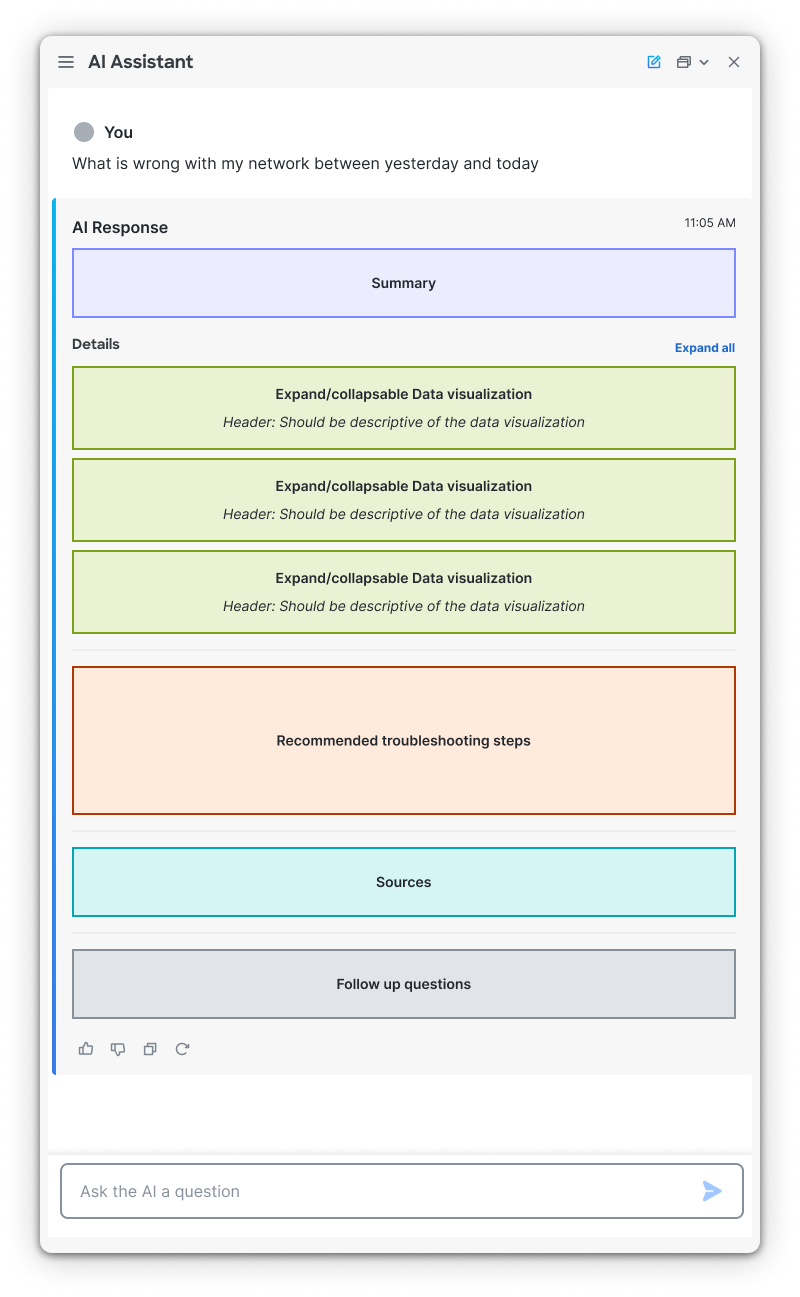

Generative design - AI doesn’t replicate design files — it generates new designs with every prompt. As designers, we create outstanding experiences for our users by training our model how to create outstanding user experiences. Working closely with our engineering partners, I’ve created guidance, structure, and training so everyone understands how to create generative design.
Teach an AI to fish - When we provide a generative model with images and templates it is excellent at recreating those. However, if the user needs something outside the guardrails those provide, the generative output becomes poor. Working in the system prompt and creating MCP servers for the AI allows me to teach the AI how to design instead of telling it what to design.
Continuous testing - Quality is one of the most important parts of designing for AI. Degradation of UX output is common and an important role for any designer is to ensure AI maintains quality output. Using automated and manual testing, I have built tools that ensure we maintain quality across multiple UX metrics.